
Backup power
How to size a backup generator for a hospital, office or hotel
A practical method for sizing standby generators and UPS in Rwanda: list your loads, allow for motor starting and decide what really needs backup.
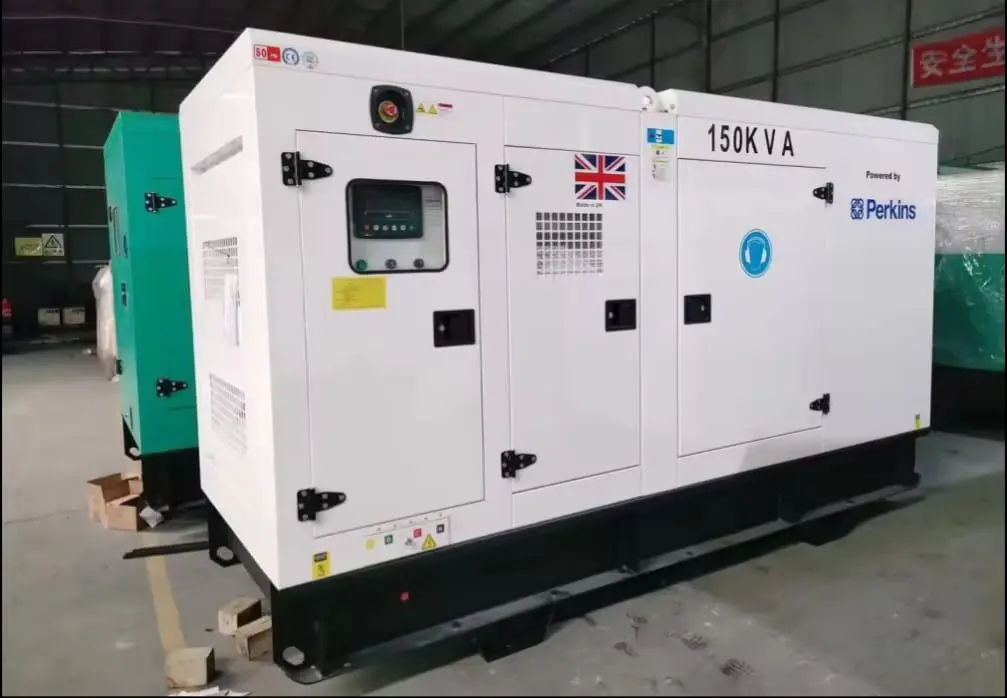
An undersized generator trips when the lifts and pumps start. An oversized one wastes fuel, runs lightly loaded and wears out early. Getting the size right is the most important decision in a backup power project.
Step 1: Decide what needs backup
Not every load needs a generator. Divide your loads into three groups:
- Critical: must never stop, even for a second. Servers, medical equipment, banking systems, some laboratory equipment. These need a UPS as well as the generator.
- Essential: must restart within seconds. Lighting, lifts, water pumps, refrigeration, security systems, key sockets.
- Non-essential: can wait for grid power. Some air conditioning, water heaters, decorative lighting.
Backing up only critical and essential loads can reduce the generator size considerably.
Step 2: List the running loads
For each essential and critical load, note the rated power. Add them up to get the total running load in kW. Generators are rated in kVA, so convert using the power factor; for most mixed building loads a design power factor of 0.8 is a reasonable starting assumption.
Step 3: Allow for motor starting
Motors draw several times their running current when they start. Lifts, water pumps, compressors and large air conditioners can cause a voltage dip that trips the generator if starting is not considered. The largest motor starting while everything else is running is often what sets the generator size. Soft starters and drives reduce starting current and can allow a smaller generator.
Step 4: Add a margin for growth
Buildings change. Add a sensible margin for future loads, and avoid running a generator for long periods at very light load, which is bad for diesel engines.
Step 5: Plan the changeover and UPS
- An automatic transfer switch starts the generator and transfers the load when the grid fails, then hands back when power returns.
- A UPS carries critical loads during the seconds it takes the generator to start, and conditions the power.
- The changeover must be rated for the full load and coordinated with the main distribution board.
Step 6: Think about installation
Generators need ventilation, exhaust routing, fuel storage, noise control and access for maintenance. Silent canopy sets suit urban sites and buildings close to neighbours. Earthing and surge protection protect both the generator and the building.
Common mistakes
- Sizing from the main breaker rating instead of the actual load
- Forgetting motor starting currents
- No UPS for equipment that cannot tolerate a short interruption
- Poor ventilation, causing overheating at full load
- No maintenance plan, so the generator fails to start when needed
How ELEMAC can help
We supply and install large silent diesel generators, inverter generators, UPS systems, battery banks and automatic changeovers, and we service them after installation. Send us your equipment list or request a site survey and we will recommend a complete backup system.
Want us to size your backup power?
Send us your equipment list or request a site survey and we will recommend a generator, changeover and UPS.
Request a quote