
Lightning protection
How often should lightning protection be inspected? A guide for facility managers
Inspection intervals from IEC 62305-3, what an inspection should cover, and the warning signs that your lightning protection system needs attention.
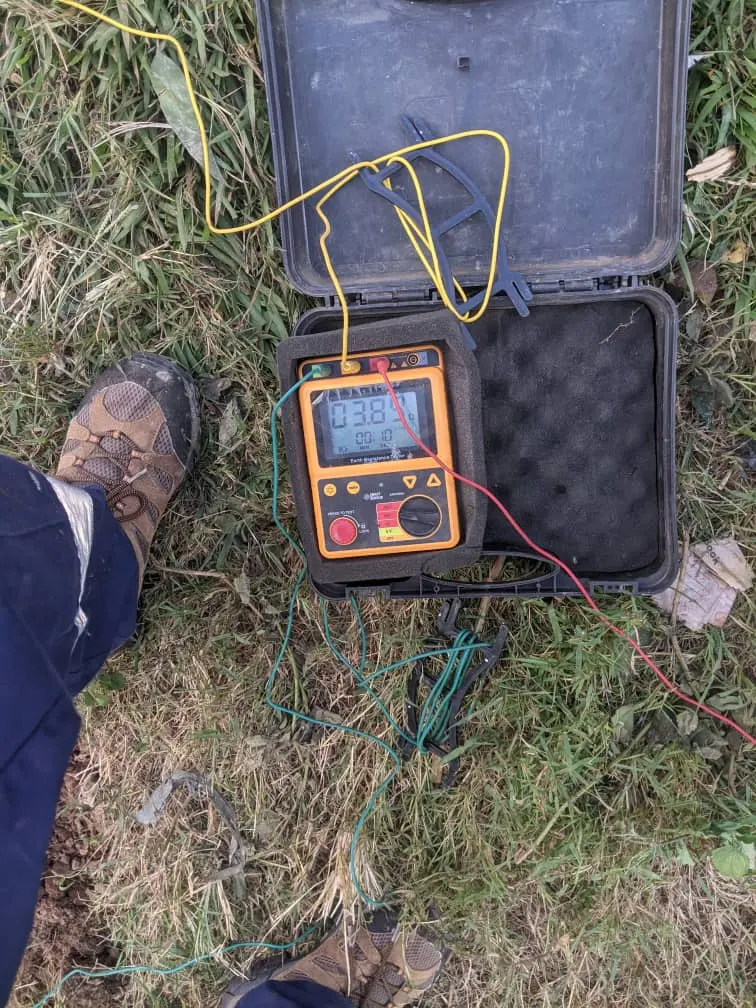
A lightning protection system can look fine from the ground and still fail when it is needed. Conductors are disconnected during roof works, clamps corrode, earth electrodes dry out or are damaged, and surge protection devices wear out after absorbing surges. Regular inspection is the only way to know the system still works.
Recommended intervals
IEC 62305-3 gives recommended maximum intervals between inspections, based on the protection level of the system:
- Protection levels I and II: visual inspection every year, complete inspection every two years, and critical systems completely inspected every year.
- Protection levels III and IV: visual inspection every two years, complete inspection every four years, and critical systems completely inspected every year.
In addition, a system should be inspected after any known lightning strike to the structure, and after building works that may have affected the roof, conductors or earthing.
What a visual inspection covers
- Air terminals and masts are in place, upright and undamaged
- Conductors are continuous, correctly fixed and not damaged or removed
- Joints and clamps are tight and free of serious corrosion
- Test joints are accessible
- No new structures on the roof have been left unprotected
- Strike counter reading, where fitted
What a complete inspection adds
- Electrical continuity tests of conductors and connections
- Earth resistance measurement at each test joint, compared with the design and previous results
- Checks of bonding to metal services and structures
- Inspection and testing of surge protection devices
- Verification that the system still matches the building after any changes
- A written report with findings and recommended actions
Warning signs between inspections
Call for an inspection sooner if you notice any of these:
- Conductors hanging loose, cut or missing, often after roof repairs or painting
- Visible damage to an air terminal or mast after a storm
- Equipment failures inside the building after storms, which may point to missing or failed surge protection
- Excavation near earth pits or new paving over test points
- A strike counter that has registered new strikes
Keeping records
Keep a log of every inspection, including earth resistance readings. Trends matter: a reading that rises steadily over several inspections shows the earthing system is deteriorating before it fails completely.
How ELEMAC can help
We inspect and test lightning protection systems across Rwanda, including multi-site programmes for national institutions, and we deliver clear written reports with priorities and costs. If repairs are needed, our teams carry them out with materials from our Kigali stock, and we can keep your sites under a preventive maintenance plan.
Is your system due for inspection?
We inspect and test lightning protection systems, including systems installed by others, and deliver a written report.
Request an inspection